
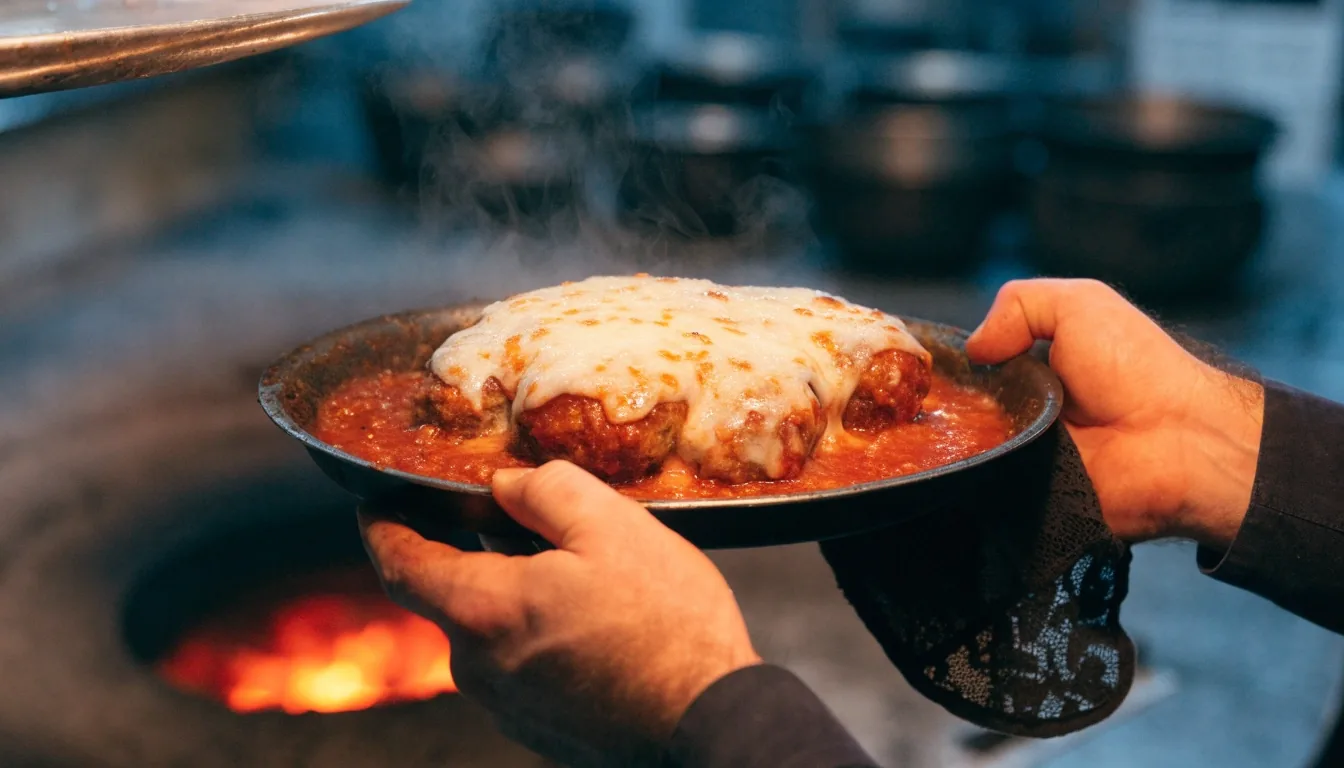
Coal-Oven Experience — Anthony's Coal Fired Pizza
What a 900-Degree Coal Oven Does
The coal oven is why anthony's coal fired pizza tastes different from a standard pizzeria. Around 900 degrees, dough sets fast, sauce concentrates, and cheese melts before it can separate.
Browse the menuWhy heat is the recipe
Why 900 Degrees Matters
Temperature is the single biggest variable in pizza. At around 900 degrees, the dough surface dries and chars within a couple of minutes, which is why coal-fired crusts carry dark blistered spots instead of a uniform golden brown. Inside, the crumb still steams and stays airy because the bake is so fast.
A standard deck at 500 to 600 degrees takes longer. Moisture has more time to escape, which can leave the crust drier or more cracker-like. Toppings also sit longer and release water onto the base. High heat cooks toppings quickly, so they do not flood the pie. That is the mechanical reason anthony coal fired pizza holds up better than its thin profile suggests.
- Coal oven pace Minutes Pies set and char in a couple of minutes, so the interior stays soft while the outside crisps.
- Standard deck pace Longer bake More time in the oven dries the base and lets toppings release water before the crust sets.
- What to watch Blister Spotty char plus a dry underside means the oven was hot enough and the timing was right.
This is a plain explanation of anthony's coal fired method, not a sales pitch. Once you see the heat logic, the rest of the menu makes sense.
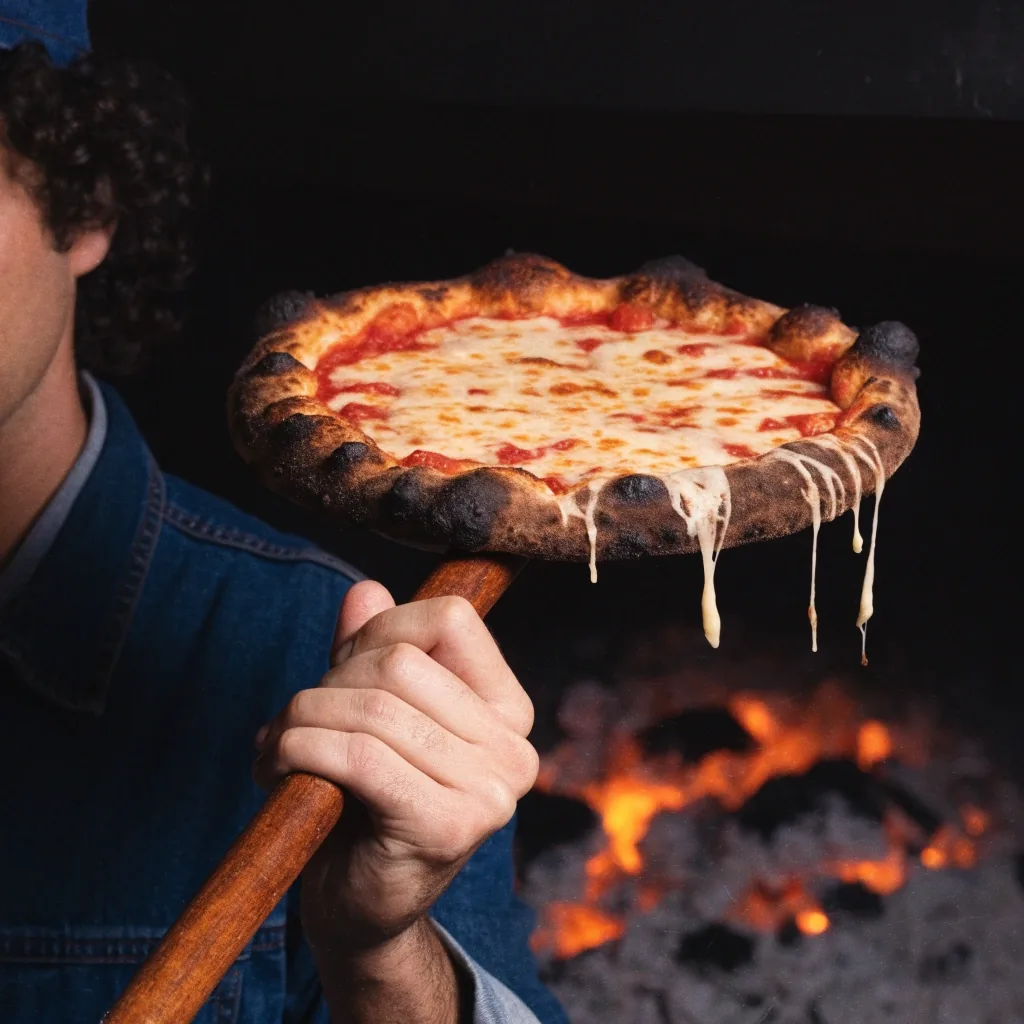
How the Crust Changes
The crust is where the coal oven is most obvious. You get a thin base with a crisp underside and a slightly chewy interior, plus char along the edge. That char is not a mistake. It shows the pie was not underbaked.
Pale and soft all the way through means the oven was not hot enough or the pie sat too long before serving. Uniformly dark and brittle means it baked too long. The right balance is char in spots, structure underneath, and a base that stays flat when you lift a slice of acfp pizza.
What Happens to Sauce and Cheese
High heat does two useful things. It concentrates the sauce instead of watering it down, and it melts cheese fast enough that it does not separate or turn greasy.
Anthony's uses a sauce built on Italian plum tomatoes, a thicker and less watery base that suits a fast, hot bake. Several signature pies finish with hand-grated Romano, sharper and saltier than mozzarella, which holds its character under intense heat. That pairing gives anthony's coal fired pizza and wings menus their old-school Italian-American character.
See how it reads on the menuWings in the Same Oven
The coal oven is not only for pizza. The wings are coal-oven-roasted, made fresh and never frozen, in multiple flavors with focaccia bread on request.
The same heat that chars a crust renders wing skin and crisps it without deep-frying. Less heavy coating, more concentrated flavor, and a texture that holds as it cools. That is why the wings stand next to pizza as a signature rather than a side.
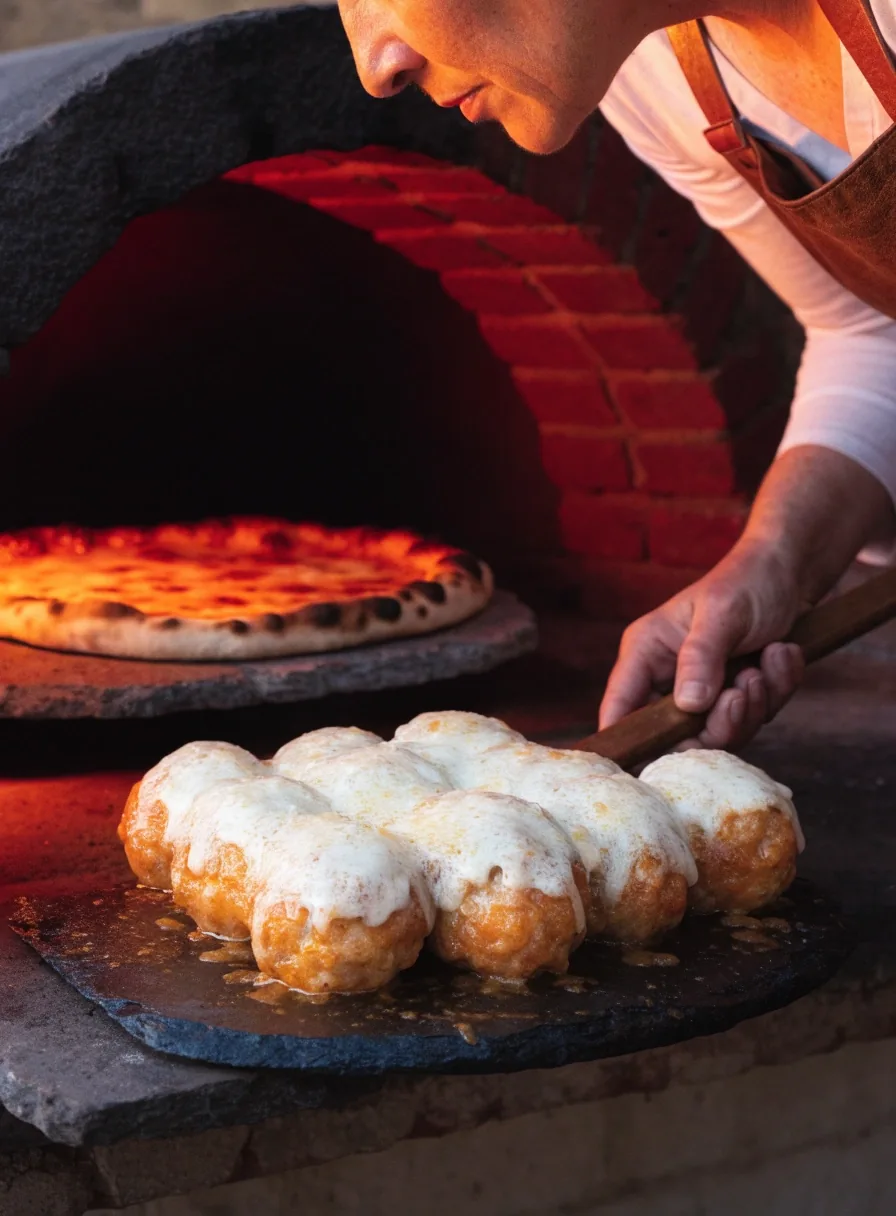
Oven floor
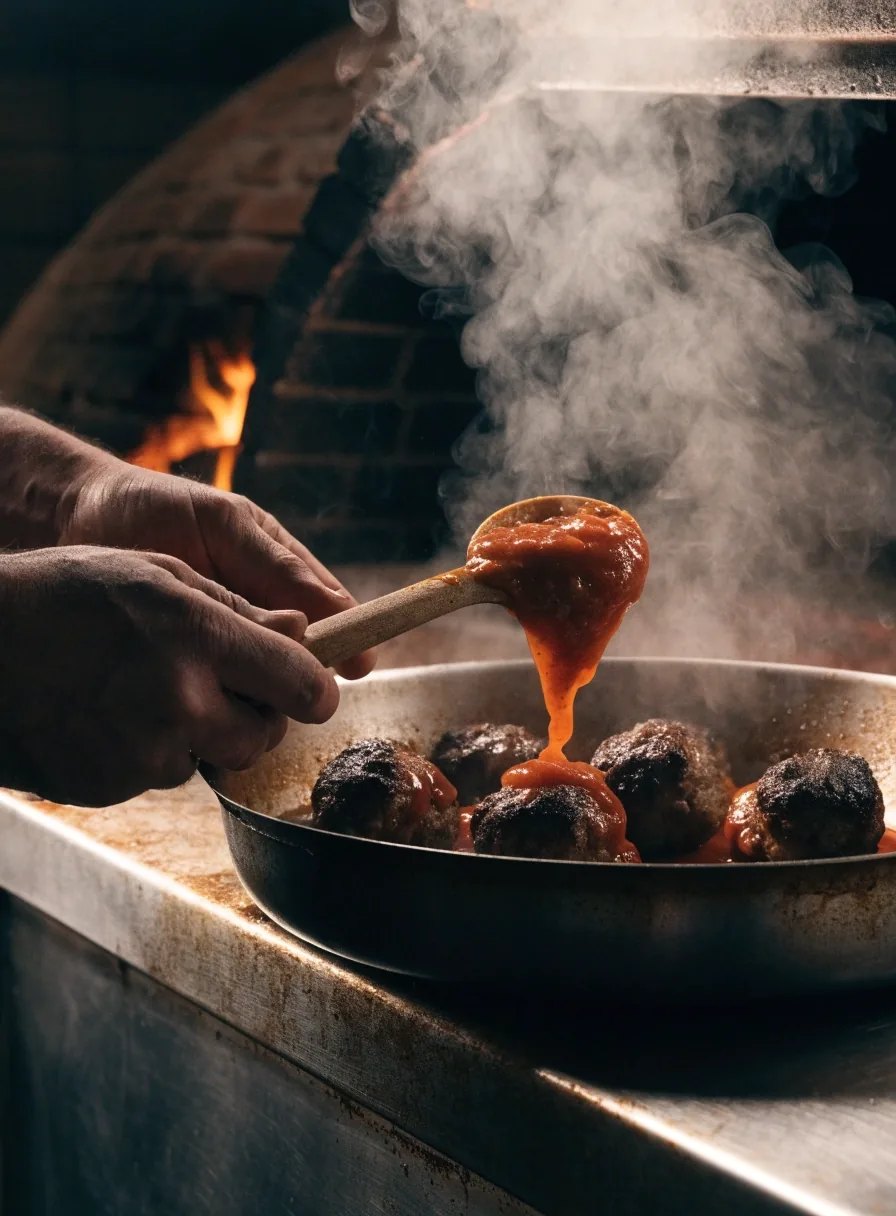
Plum tomato base
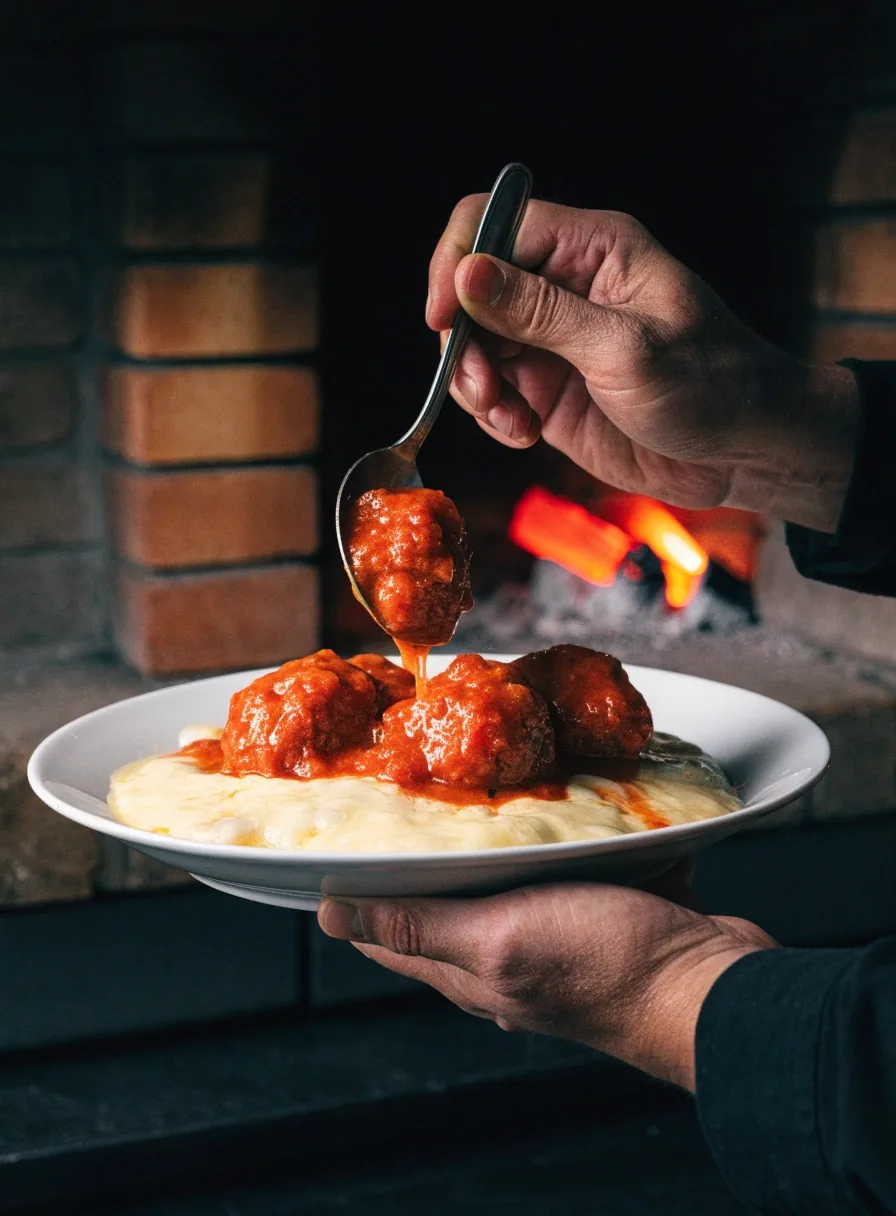
Roasted wings
Three views of the same heat: stone floor, concentrated sauce, and roasted wings. The oven treats each one differently, but the logic stays constant.
Old-school Italian profile
Coal ovens are a New York and New Haven tradition, and Romano, plum tomato and focaccia keep that lineage alive.
The repeated use of Romano, Italian plum tomatoes and focaccia signals a specific older flavor: savory, slightly sharp, never overloaded with sweet sauce or heavy cheese. It shows up in pasta too, where the same tomato base and meatballs appear.
The point is not nostalgia. A coal oven plus a small set of old-school ingredients gives a more distinctive result than a menu built around novelty toppings. That restraint is what regulars taste first in anthony's coal fired dishes.
Next: how to check the bake when it lands on your table
How to Judge a Coal-Fired Pie
Simple tests, not company rules. Use them when your order arrives.
-
Look at the underside, not just the top
It should be dry and spotted, not wet or floury. A wet base means the pie sat or the oven ran cool.
-
Check the edge for char, not burn
Dark blisters are normal. Uniform bitterness across the rim means it baked too long.
-
Pick up a slice
A coal-fired base should hold flat, not flop into a U-shape. Structure is the sign of a fast, hot set.
-
Taste the sauce on its own
A concentrated plum tomato base does real work. If you ordered a loaded specialty pie, compare it with a simpler one, since heavy toppings can hide the bake.
Why the Oven Shapes the Brand
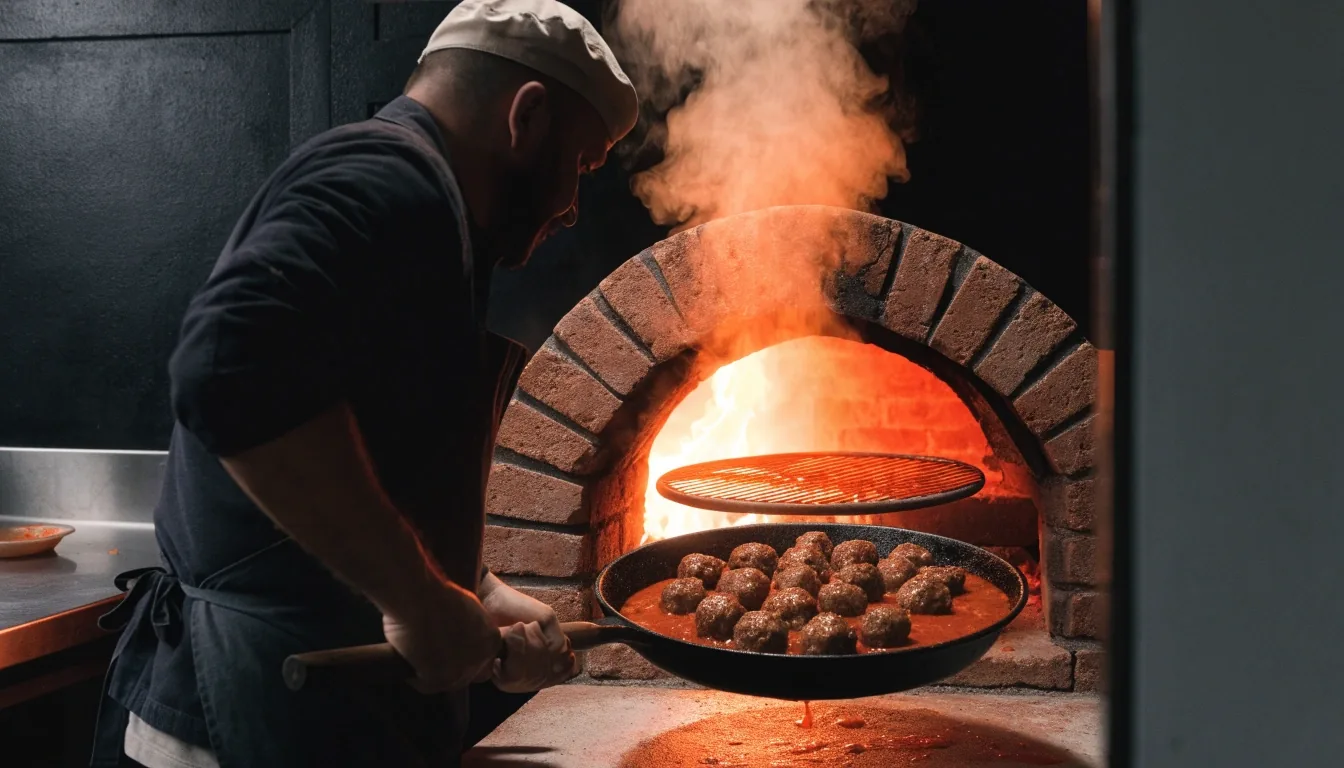
Most chains compete on convenience and delivery speed. A coal oven is the opposite: slow to build, hard to operate, impossible to replicate in a standard kitchen.
That constraint is why the brand built its identity around it. The oven limits the menu, forces a focused ingredient list, and keeps the experience tied to real kitchens rather than a delivery-first operation. For visitors, that is why anthony's coal fired pizza and wings still read as a regional concept with fire at the center.
What to expect when you visit
Fast Out of the Oven, Best Shared
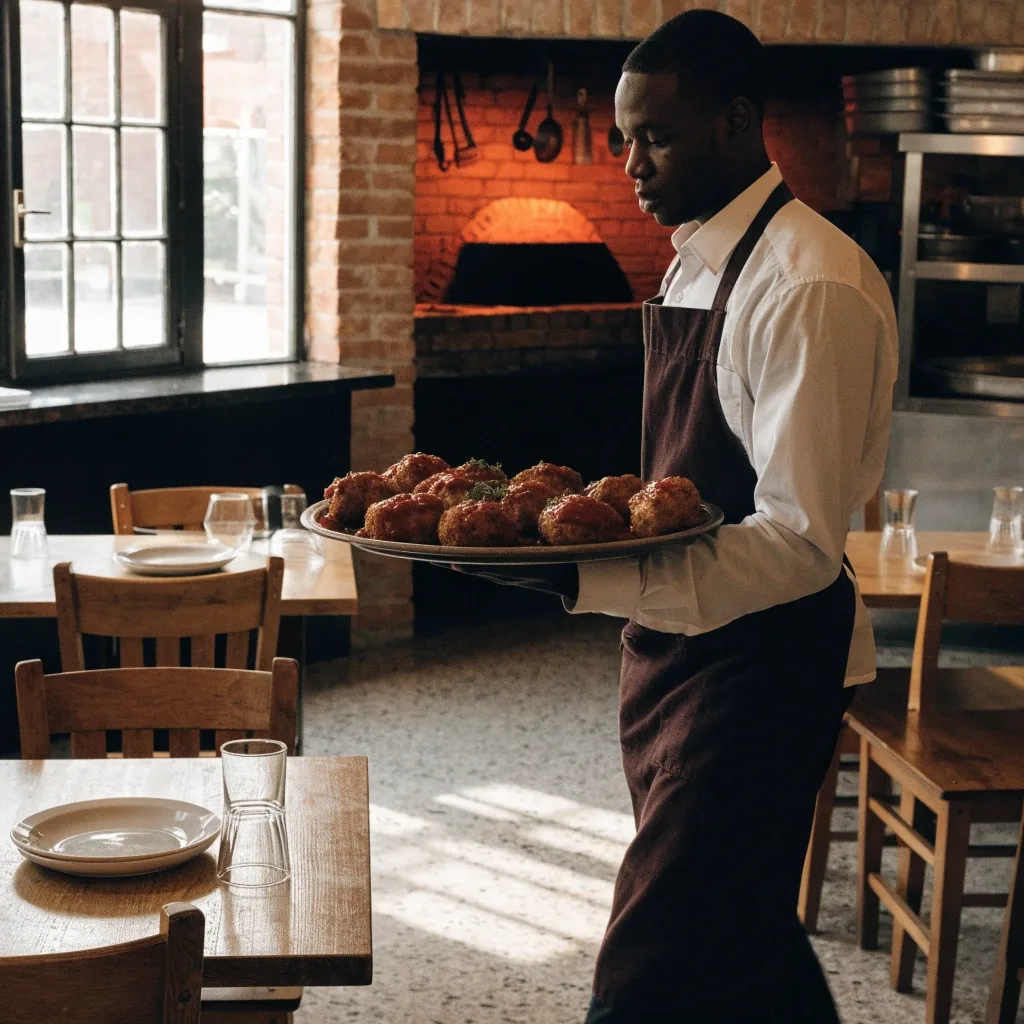
Expect the oven to be visible or central, since food is cooked to order in it. Pizzas and wings move fast once they go in, so timing between courses can feel quick.
For a group, stagger the order so everything does not arrive at once. A traditional or signature pie plus a wing order is the standard way to taste what the fire does. For addresses and hours, the locations guide has the details, including 2601 N Federal Hwy, Fort Lauderdale, FL 33306.
Fort Lauderdale — 11 AM to 10 PM daily
Coal-oven questions
Short answers on heat, char, sauce and wings. For menus, group orders or hours, keep reading below.
Send a questionHow hot does the coal oven get?
Around 900 degrees, which is significantly hotter than a standard pizza oven and the reason the crust chars quickly while staying airy inside.
Why is coal-fired crust charred?
The high heat sets the dough fast and produces dark blistered spots along the edge. That char is a normal result of the baking method, not a sign of burning.
Does the coal oven change how the sauce tastes?
The fast bake concentrates the sauce instead of watering it down. The base made from Italian plum tomatoes is thicker and suits the high heat.
Are the wings cooked in the same oven?
Yes. The wings are coal-oven-roasted, which gives them a different texture from deep-fried wings, with crisped skin and concentrated flavor.
Is the coal oven used for pasta too?
The pasta dishes are separate from the oven, but they share the same tomato base and meatballs that appear elsewhere on the menu.
Ready to taste the difference? Start with the menu, then pick a room near you.